
Paint-Techs LLC — Jacksonville's Trusted Painters
Licensed & insured painting contractor with 52 five-star Google reviews. Serving Jacksonville, Nocatee, Ponte Vedra Beach, and Northeast Florida since 2020.
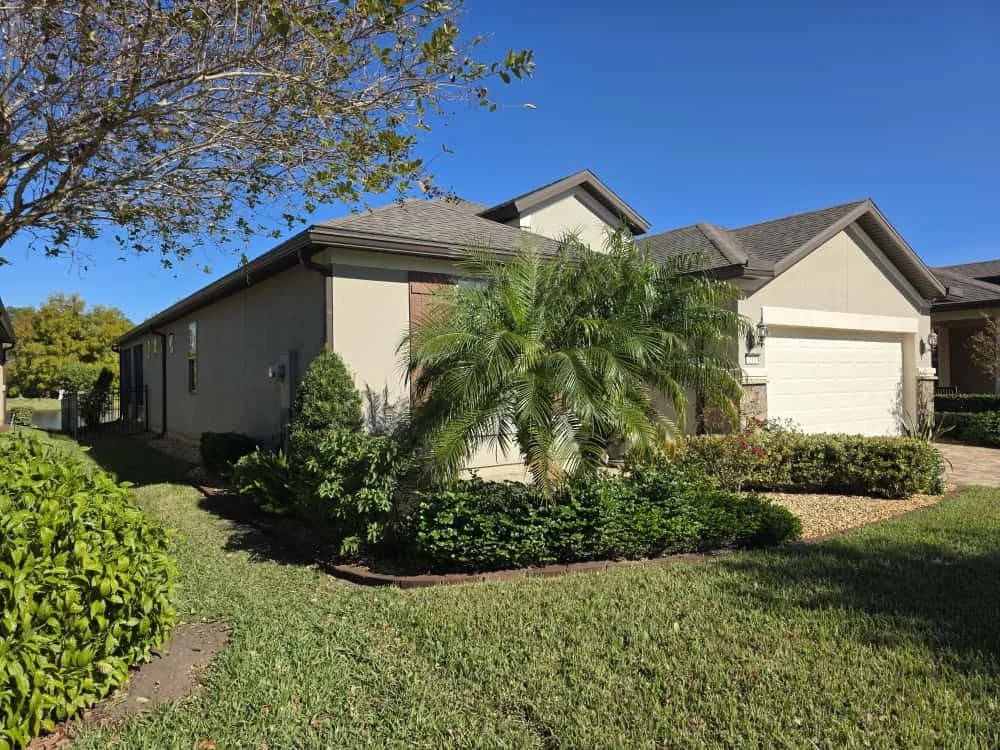
But painting stucco wrong? That's a recipe for peeling, bubbling, and premature failure. We see it constantly - homeowners who painted their stucco (or hired the wrong contractor) and watched the paint fail within a year or two.
Here are the five critical mistakes that destroy stucco paint jobs in Florida, and exactly how to avoid them.
Mistake 1: Painting new stucco too soon
This is the most common mistake, and it's devastating. New stucco needs time to cure before it can be painted.
The problem:
Fresh stucco is highly alkaline (high pH) and contains significant moisture. Paint applied too soon will:
The solution:
Wait a minimum of 28-30 days before painting new stucco. In Florida's humid environment, 60 days is even better. The stucco needs time to:
How to test if stucco is ready:
Tape a 12x12 inch piece of plastic sheeting to the stucco. Leave it for 24 hours. If moisture appears under the plastic, the stucco isn't ready for paint.
Mistake 2: Skipping the pressure wash (or doing it wrong)
Stucco's textured surface traps dirt, mold, mildew, and salt deposits - especially in coastal areas like Ponte Vedra and Jacksonville Beach. Paint can't bond to a dirty surface.
The problem:
The solution:
Professional pressure washing is essential, but technique matters:
In Northeast Florida, north-facing walls especially need attention. Limited sun exposure means more mold and algae growth.
Mistake 3: Using the wrong paint
Not all exterior paints work on stucco. Using the wrong product in Florida's climate leads to rapid failure.
The problem:
Standard exterior paints may:
The solution:
Choose paint specifically designed for stucco and masonry:
Best options for Florida stucco:
Key features to look for:
What to avoid:
Mistake 4: Ignoring cracks and damage
Stucco cracks. It's normal - temperature changes, settling, and minor movement all cause hairline cracks. But painting over damaged stucco without repair is asking for problems.
The problem:
The solution:
Before any paint touches your stucco, address all damage:
Hairline cracks (less than 1/8 inch):
Larger cracks (1/8 inch or more):
Structural cracks (recurring or widening):
Damaged areas:
Mistake 5: Painting in wrong weather conditions
Florida's weather is unpredictable. Painting stucco at the wrong time leads to adhesion failure, uneven finish, and premature breakdown.
The problem:
The solution:
Ideal conditions for painting stucco in Florida:
Best times to paint stucco in [Jacksonville](/jacksonville-house-painters):
Worst times:
Bonus: The right way to paint stucco
Now that you know what not to do, here's the proper process for painting stucco in Florida:
Step 1: Inspection
Walk the entire exterior. Note all cracks, damage, mold growth, and problem areas.
Step 2: Repairs
Fix all cracks and damage. Allow repairs to cure completely (28+ days for new stucco patches).
Step 3: Pressure wash
Clean all surfaces with appropriate pressure and mold-killing solution. Allow 48-72 hours to dry.
Step 4: Prime (if needed)
New stucco, repairs, and bare spots need primer. Use a masonry primer designed for alkaline surfaces.
Step 5: Paint application
Apply two coats of quality masonry or elastomeric paint. Use:
Step 6: Timing
Work in favorable weather. Start early, follow the shade, stop before afternoon humidity rises.
Need Help With Your Painting Project?
Paint-Techs LLC offers free estimates for all painting services in Jacksonville and Northeast Florida.
When to call a professional
Painting stucco isn't a typical DIY project. Consider professional exterior painting services when:
Professional painters have the equipment to properly clean and coat stucco surfaces, the experience to identify and repair issues, and the knowledge to select the right products for Florida conditions. The International Concrete Repair Institute publishes the standards we follow for assessing and repairing cracks in masonry substrates before any coating goes on; reputable contractors know and apply those standards.
Recommended stucco paint products for Florida
Choosing the right product is half the battle. Our default specs for Northeast Florida stucco repaints:
For the broader question of which premium Sherwin-Williams line wins in Florida, see our Sherwin-Williams Duration vs. Emerald comparison.
Coastal versus inland stucco considerations
Stucco within a mile of the Atlantic Ocean (homes in Jacksonville Beach, Atlantic Beach, Ponte Vedra Beach, and Fernandina Beach) takes more salt exposure than inland walls.
Coastal-specific adjustments to the standard stucco workflow:
Inland walls in Jacksonville, Middleburg, and Orange Park face less salt but more clay-driven thermal cycling. Hairline crack management is more important there than coastal salt management.
How long does stucco paint actually last?
A correctly-spec'd stucco repaint in Northeast Florida lasts 8 to 12 years on the field of the wall, with caulk joints typically needing touch-up at the 5- to 7-year mark.
Variables that shorten the lifespan:
Variables that extend the lifespan:
Protect your investment
Your stucco home is a significant investment. Proper painting protects the stucco, enhances curb appeal, and prevents costly damage from moisture intrusion. Stucco failures that go unaddressed eventually rot the framing behind the wall, which turns a $7,000 repaint job into a $25,000+ repair-and-repaint job.
At Paint-Techs LLC, we paint stucco throughout Jacksonville, Nocatee, Ponte Vedra Beach, St. Augustine, Atlantic Beach, Jacksonville Beach, Fernandina Beach, Middleburg, Orange Park, Yulee, and every community in our Northeast Florida service area. We use proven techniques for lasting results in Florida's climate.
Ready to refresh your stucco exterior? Contact us for a free estimate.
Frequently asked questions
<details>
<summary>How long should I wait after new stucco is applied before painting?</summary>
A minimum of 28 to 30 days, with 60 days preferred in Florida humidity. New stucco is highly alkaline and contains residual moisture; painting too early causes alkali burn, peeling, and adhesion failure. A 24-hour plastic-tape moisture test confirms whether the substrate is ready.
</details>
<details>
<summary>Can I just power-wash and skip the chemical cleaning step?</summary>
No. Power-washing removes loose dirt and biological growth but leaves behind oxidation, chalking residue, and salt film, all of which prevent paint adhesion. A mildewcide or TSP solution applied before the final rinse handles those, and skipping this step is the second most common cause of stucco paint failure in Florida.
</details>
<details>
<summary>Is elastomeric paint always the right choice for cracked stucco?</summary>
Not always. Elastomeric is the right call when the wall has active hairline cracking that opens and closes with thermal cycling. For stucco with stable cracks that have already been patched, or for newer stucco with no cracking, a premium acrylic masonry coating costs less and breathes better. The elastomeric paint guide walks through the decision in detail.
</details>
<details>
<summary>What's the best time of year to paint stucco in Jacksonville?</summary>
Late fall through early spring (October through April) is the ideal window. Humidity is below the 85 percent threshold most paints require, afternoon thunderstorms are rare, and overnight temperatures stay above the 50-degree minimum for most product cures. Summer is workable with a 7 AM start and a 1 PM stop, but adds risk from afternoon storms.
</details>
Paint-Techs Team
Paint-Techs LLC — Jacksonville, FL
Expert painting advice from the Paint-Techs team. We're a licensed and insured painting contractor serving Jacksonville and Northeast Florida with 52 five-star Google reviews. Our team combines years of hands-on experience with knowledge of Florida's unique climate challenges.